What is Cheyne-Stokes breathing?
Cheyne-Stokes breathing is a pattern where deeper breaths are followed by shallower breaths or pauses.
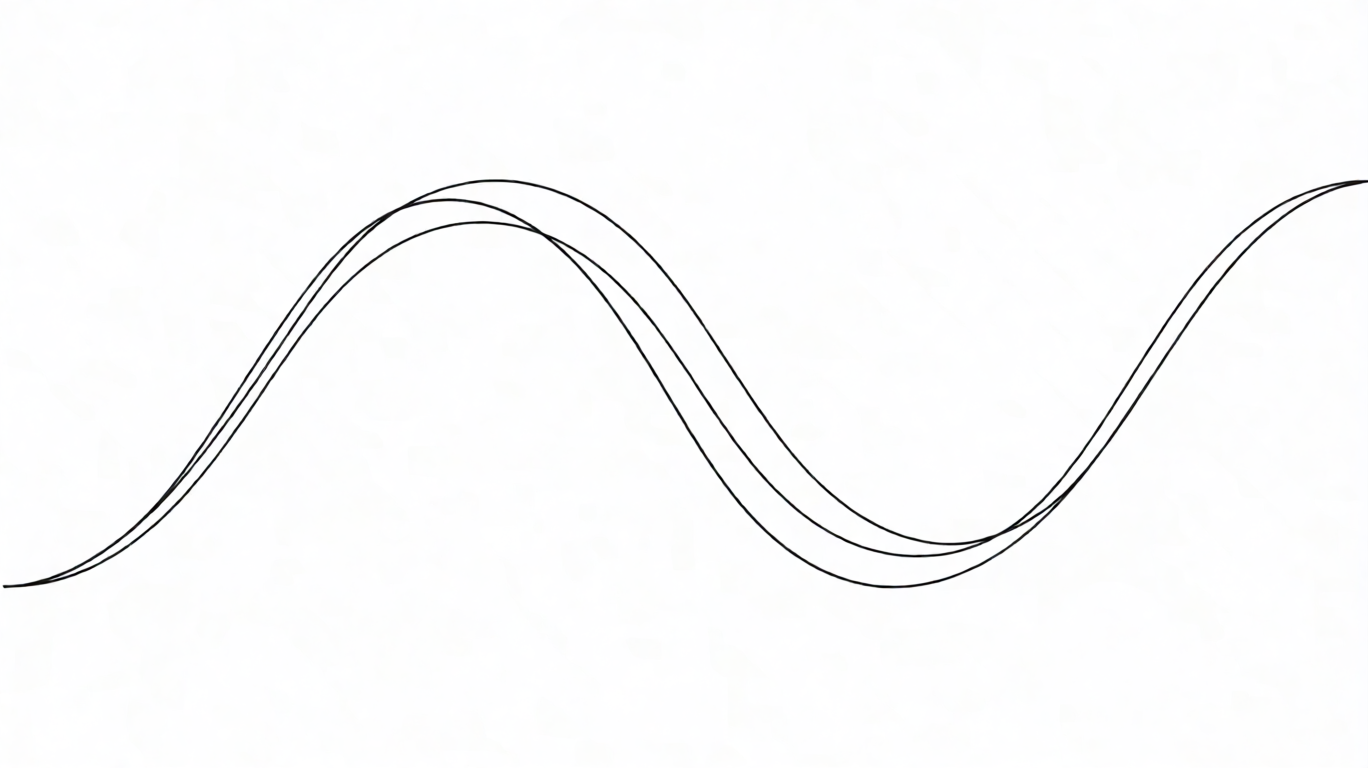
Cheyne-Stokes breathing is a pattern where deeper breaths are followed by shallower breaths or pauses. The breathing may build up, fade down, stop for a short time, and then start again.
It can happen near the end of life. It can look frightening, especially when the pauses are long. It does not always mean the person is aware or suffering.
General information: This page gives general information for people in Australia. It cannot tell you exactly what is happening in one person's situation. If you have concerns about a symptom, medicine, treatment decision or change in someone's condition, contact their doctor, palliative care team, nurse or other treating health professional.
What it looks like
The pattern may be:
- several breaths that become deeper or faster
- then breaths that become shallower or slower
- then a pause
- then breathing starts again.
The cycle may repeat. The pause can last several seconds and sometimes longer.
Why it happens near death
Near death, the brain's control of breathing becomes less steady. The body is weaker, circulation is slower, and oxygen and carbon dioxide levels can change. Breathing may become irregular even when the person is peaceful.
Cheyne-Stokes breathing is one of several breathing patterns that can appear in the last days or hours.
Does it mean death is very close?
It can mean death may be close, but it does not give an exact time. Some people die soon after this pattern starts. Others continue for hours or longer.
The team will look at other signs as well, such as wakefulness, swallowing, urine, skin colour, pulse, temperature and comfort.
Is the person distressed?
Many people with Cheyne-Stokes breathing near death are very sleepy or unconscious. They may not notice the pauses.
Look for signs of distress: a frightened face, tense body, moaning, repeated restless movement, gasping with panic, or pulling at sheets and clothing. If these are present, ask for review.
What you can do
Stay calm if you can. Speak gently. You can tell the person you are there, even if they do not respond.
Ask the care team whether positioning, mouth care, moving air from a fan, or medicines may help. Do not shake the person or try to make them breathe. Do not put food, drink or tablets in their mouth if they are too sleepy to swallow safely.
When to get help now
Contact the palliative care team, GP, nurse or aged care staff urgently if breathing looks distressing, the person seems frightened or in pain, or you were not told to expect this pattern.
Call 000 if the breathing change is sudden and unexpected in someone not known to be dying, or if there is no care plan and you need emergency help.
You may also want to read
- Why does a dying person's breathing suddenly change?
- How long can pauses between breaths last when someone is dying?
- Are they suffering when breathing becomes noisy, irregular or stops for periods?
- How can I tell if someone is dying?