How long can pauses between breaths last when someone is dying?
Pauses between breaths near death can last several seconds and may become longer as death comes closer.
Pauses between breaths near death can last several seconds and may become longer as death comes closer. Sometimes breathing stops for a while, starts again, and then stops again.
This can be very hard to watch. It does not always mean the person is distressed. Many people are deeply asleep or unconscious when this happens.
General information: This page gives general information for people in Australia. It cannot tell you exactly what is happening in one person's situation. If you have concerns about a symptom, medicine, treatment decision or change in someone's condition, contact their doctor, palliative care team, nurse or other treating health professional.
Why pauses happen
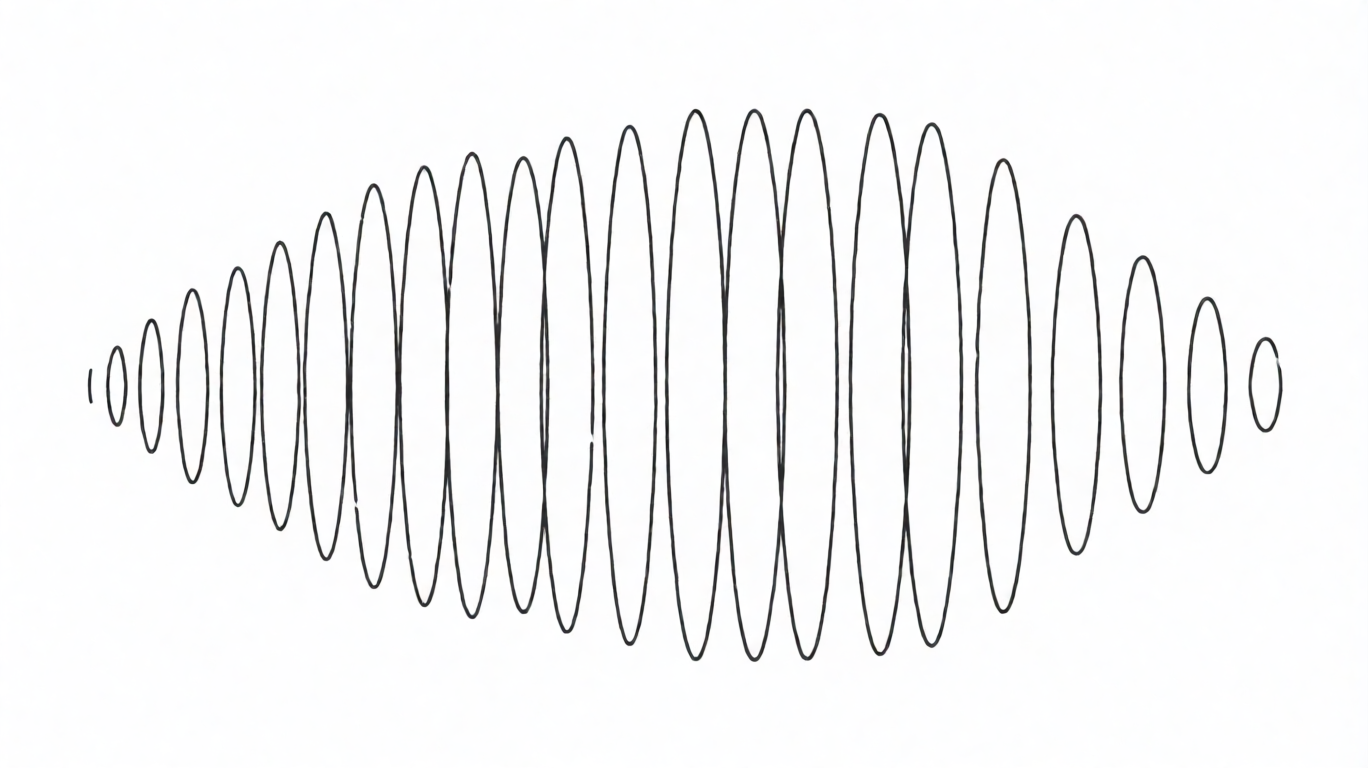
The brain and breathing muscles become less steady near death. Breathing may be shallow, irregular or patterned in cycles. A person may take several breaths, pause, and then breathe again.
The pauses may be part of Cheyne-Stokes breathing, or part of another irregular end-of-life breathing pattern.
Does a long pause mean they have died?
Not always. A person can have a long pause and then take another breath. Death has occurred when breathing has stopped, the person cannot be woken, there is no heartbeat or pulse, and the pupils are fixed.
If the person is expected to die at home, ask the team ahead of time what to do when breathing stops and who to call.
Is the person aware of the pause?
Often, the person is very sleepy or unconscious and may not be aware. The pause may be more distressing for family than for the dying person.
Look for signs of distress such as panic, grimacing, moaning, tense muscles, pulling at bedding, or repeated attempts to sit up. Ask for help if you see these signs.
What you can do
You do not need to count every breath unless the team has asked you to. Watching each pause can increase fear and exhaustion.
Sit with the person if you want to. Speak calmly. Hold their hand if touch seems welcome. Keep the room quiet. Ask about positioning, mouth care and medicines if breathing looks uncomfortable.
Do not shake the person or try to make them breathe.
When to get help now
Contact the palliative care team, GP, nurse or aged care staff if the person seems distressed, the breathing change is not expected, or you are unsure what the plan says.
Call 000 if the person is not expected to be dying and breathing stops or becomes dangerously abnormal, or if there is no care plan and you need emergency help.
You may also want to read
- What is Cheyne-Stokes breathing?
- Why does a dying person's breathing suddenly change?
- Do I need to call 000 or the police after an expected death at home?
- How can I tell if someone is dying?