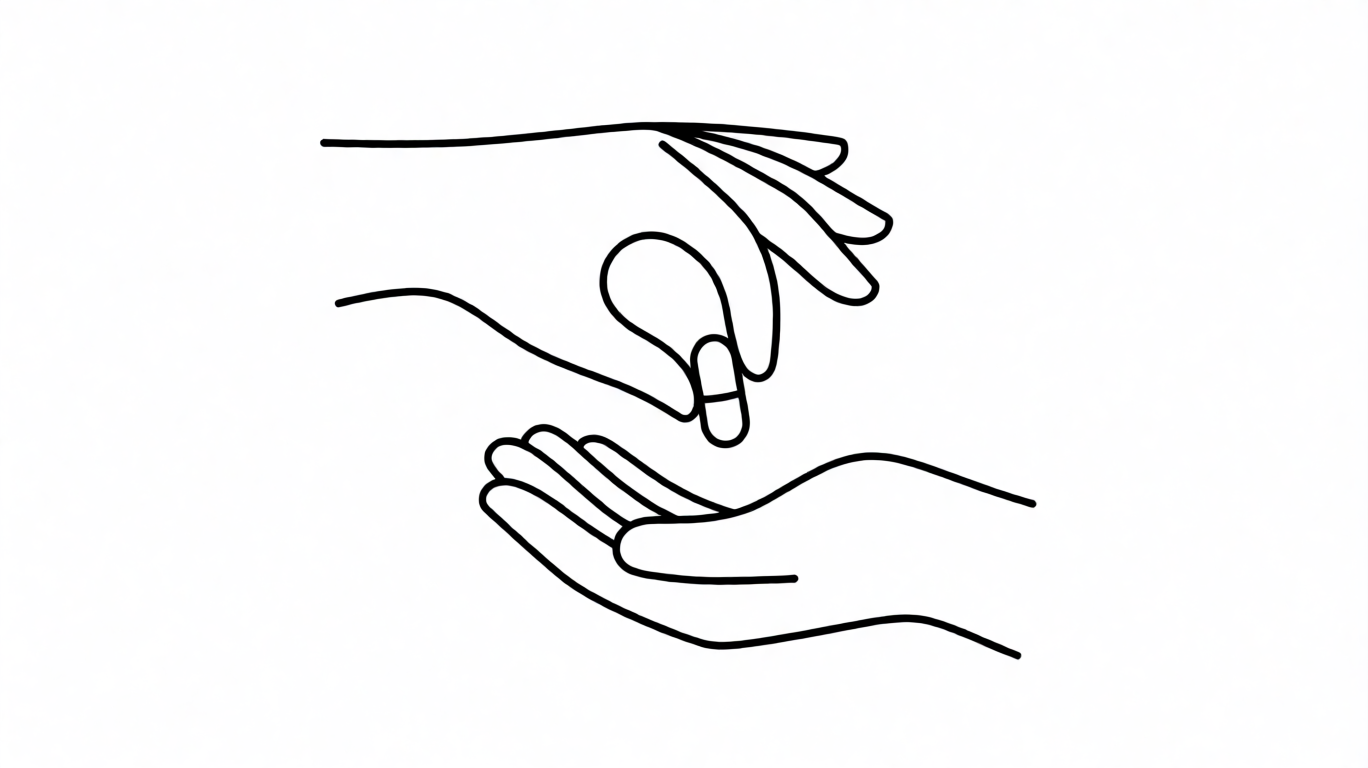
Why does someone who is dying stop being able to swallow tablets?
A dying person may stop swallowing tablets because they are weaker, sleepier and less able to swallow safely.
A dying person may stop swallowing tablets because they are weaker, sleepier and less able to swallow safely. This is common near the end of life. It does not mean care has stopped.
Some tablets may no longer be useful. Other medicines may be changed to a safer route, such as medicine under the skin, a syringe driver, or another plan made by the doctor or palliative care team.
General information: This page gives general information for people in Australia. It cannot tell you exactly what is happening in one person's situation. If you have concerns about a symptom, medicine, treatment decision or change in someone's condition, contact their doctor, palliative care team, nurse or other treating health professional.
Why tablets become hard
Near death, people often sleep much more. They may be too drowsy to sit up, follow instructions, hold water in the mouth, or swallow at the right time. The throat muscles can become weak. The mouth may be dry. Coughing may also become weaker.
Tablets can then sit in the mouth, cause gagging, or go down the wrong way. Large tablets, capsules and multiple tablets can be especially hard.
Do not crush tablets unless advised
Do not crush, split or mix tablets into food or drink unless a pharmacist, doctor or nurse says it is safe. Some tablets are slow-release, coated, irritating, or unsafe to crush.
Do not hide medicines in food or drink if the person is refusing them. If the person cannot decide for themselves, medicine decisions should still follow the law, their goals of care, and advice from the treating team.
Which medicines may stop
Near death, the team may stop medicines that no longer help comfort or are no longer useful in the time left. This might include some long-term prevention medicines.
Medicines for comfort are different. Pain, breathlessness, nausea, agitation, seizures and noisy secretions may still need treatment. These medicines can often be given another way.
Do not stop prescribed medicines without advice unless the care plan already tells you what to do.
Other ways medicines may be given
Depending on the medicine and the person's needs, the team may use:
- medicine under the skin by injection
- a syringe driver that gives medicine slowly under the skin
- dissolving tablets or wafers if safe
- liquid medicine if the person can swallow it safely
- patches for some medicines
- rectal medicine in selected situations.
The right option depends on the symptom, the medicine, what is available, and the person's care setting.
What to ask
Ask the team:
- "Which tablets should continue?"
- "Which tablets can stop now?"
- "Can any be crushed, or should they not be crushed?"
- "What do we do if they cannot swallow pain medicine?"
- "Is a syringe driver needed?"
- "Who do we call after hours if symptoms return?"
Write the answers down if you can. Medicine plans can be hard to remember when you are tired.
When to get help now
Contact the palliative care team, GP, nurse or aged care staff urgently if the person cannot swallow medicines needed for pain, breathlessness, agitation, seizures or other distressing symptoms.
Call 000 if there is sudden choking, severe breathing difficulty, a seizure or another life-threatening emergency and there is no end-of-life plan telling you what to do.
You may also want to read
- What happens when someone who is dying can no longer swallow their medicines?
- Can I give water to someone who is having trouble swallowing?
- Does a syringe driver mean the person is about to die?
- What are anticipatory medicines and why have they been prescribed?