Who decides whether palliative sedation is used?
Palliative sedation is a medical treatment.
General information: This page gives general information for people in Australia. It cannot give medical or legal advice about one person's situation. Consent and substitute decision-making laws differ between states and territories. Confirm current rules with the treating team, relevant public guardian or advocate office, or a lawyer if needed.
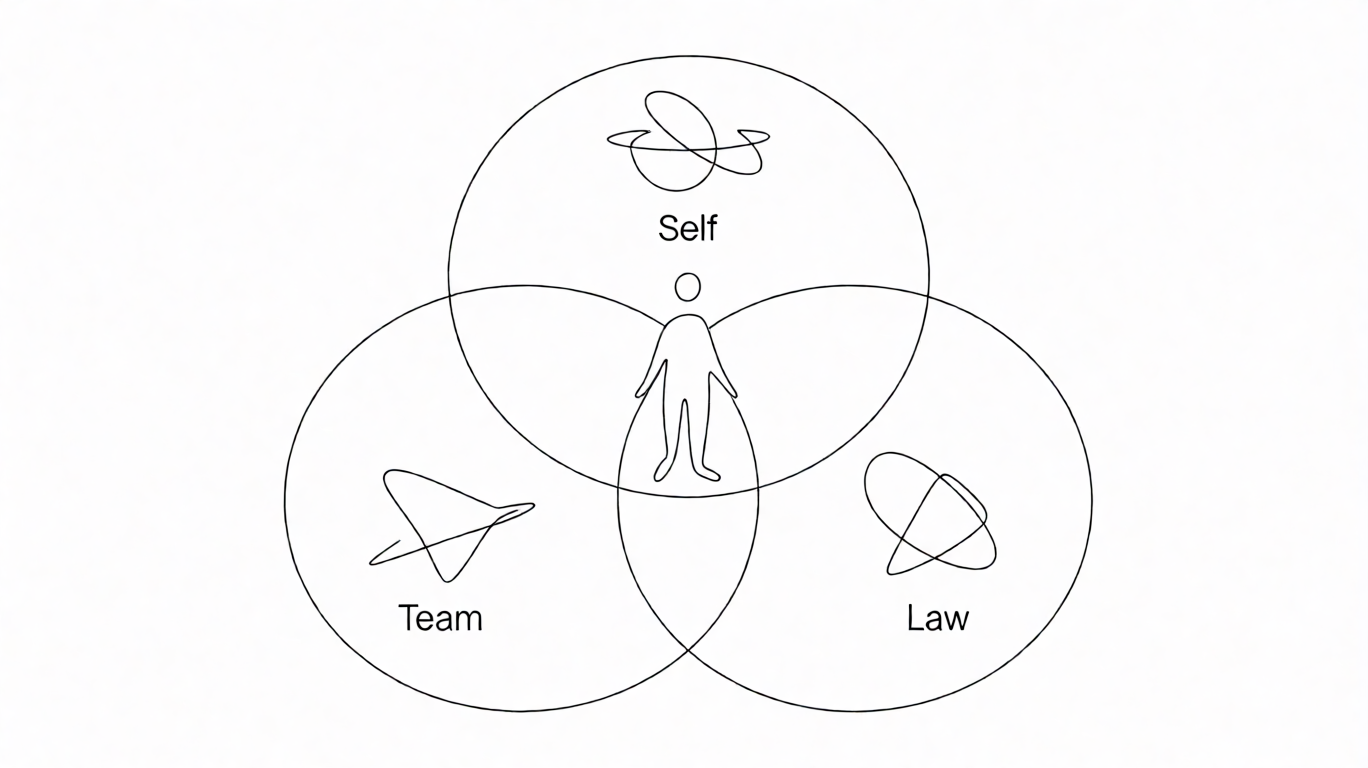
Palliative sedation is a medical treatment. The treating doctor and palliative care team decide whether it is clinically appropriate. The person should decide whether to accept it if they have decision-making capacity. If they cannot decide, the team must follow the law about advance care directives and substitute decision-makers in that state or territory.
Family members should be involved with care and communication, but they do not automatically have legal authority to decide unless the law or a valid appointment gives them that role.
The clinical decision
The clinical team must decide whether the symptoms are severe and refractory. Refractory means the symptom has not improved enough after careful assessment and reasonable treatment, or further treatment would be too burdensome, too risky or unlikely to work in time.
Because palliative sedation is serious, specialist palliative care advice should be sought wherever possible. The team should document the symptom, what has been tried, why sedation is being considered, the intended depth of sedation, consent, monitoring and review.
The person's decision
If the person can understand, weigh up and communicate a decision about palliative sedation, they should be asked. They can accept or refuse treatment. They can ask questions about whether they will be awake, whether sedation can be reduced, and what will happen with food, fluids and other medicines.
A person may have written earlier wishes in an advance care directive or advance care plan. Tell the team if such a document exists.
If the person cannot decide
If the person lacks capacity, the team must identify the lawful decision-maker. This may be someone appointed by the person, a guardian, attorney, medical treatment decision-maker, spouse, unpaid carer, close friend or relative, depending on the state or territory.
The decision-maker should use the person's known wishes and values, not their own preference. They should ask what the person would have wanted if they could speak now.
If there is no authorised person, the health service may need to follow local urgent treatment rules, seek public guardian or advocate advice, or apply to a tribunal or court for guidance.
If family members disagree
Ask for a meeting with the senior doctor, palliative care team and nurse in charge. Ask them to explain the symptom, why sedation is or is not recommended, who has legal authority, and how the person's own wishes are being respected.
If disagreement continues, the hospital or aged care service may use a complaints process, ethics process or legal pathway. See What happens if the family disagrees about treatment at the end of life?.
When to get help now
Ask for urgent review if the person has severe distress, if sedation is being discussed without clear explanation, if no one has checked for an advance care directive, or if there is confusion about who can consent.
Call 000 if there is immediate danger to the person, family or staff. If the person is in a hospital or aged care home, ask for the senior nurse, treating consultant, after-hours manager or social worker.
You may also want to read
- What is an advance care directive?
- What is palliative sedation?
- Can someone be sedated continuously until they die?
- Who decides when family members disagree about end-of-life care?
Sources and further information
- Palliative sedation therapy - Safer Care Victoria
- Palliative sedation: A safety net for the relief of refractory and intolerable symptoms at the end of life - Australian Journal of General Practice via Flinders ResearchNow
- Capacity and consent to medical treatment - End of Life Law in Australia
- State and territory treatment decisions - End of Life Law in Australia