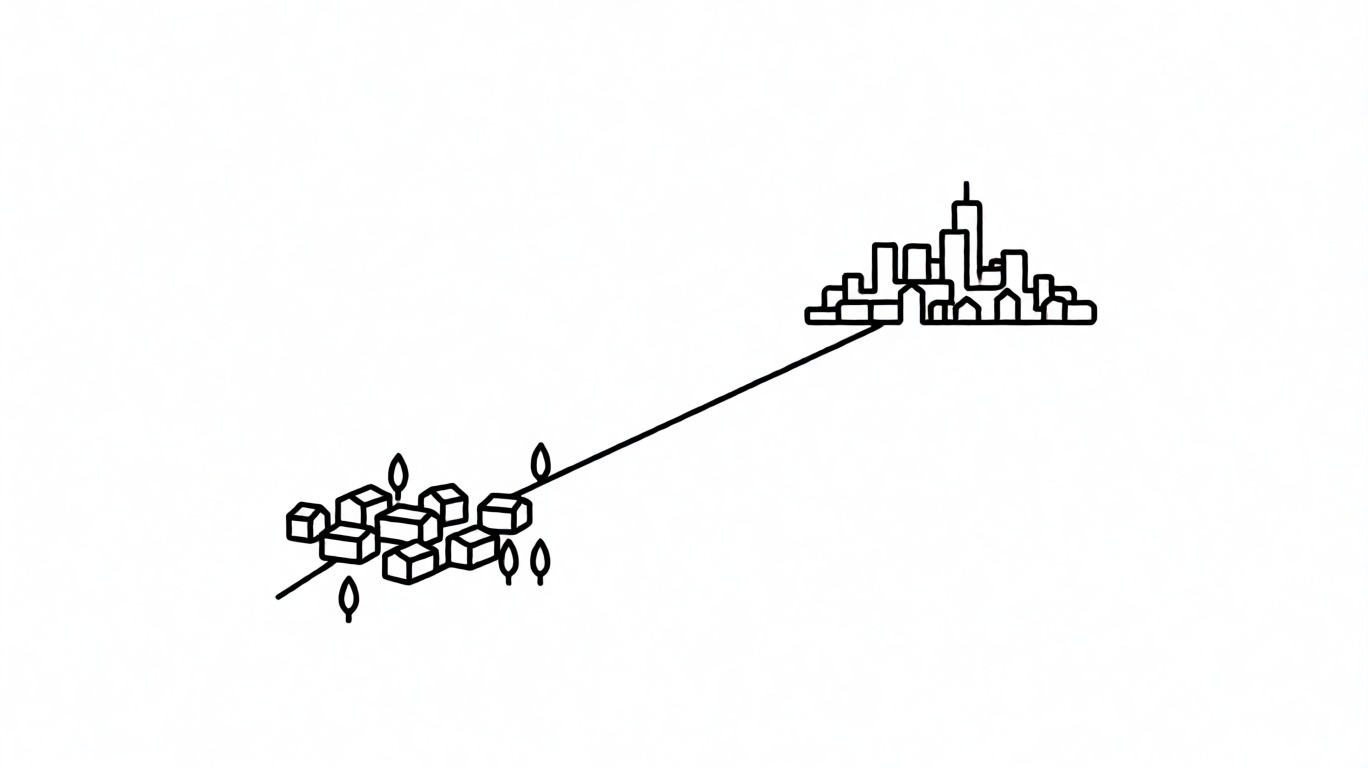
How does VAD work if I live in regional or rural Australia?
Regional and rural access to VAD may involve care navigators, travelling practitioners, local clinicians, travel support or telehealth limits.
VAD can be harder to access in regional and rural Australia. There may be fewer authorised doctors, longer travel distances, limited public transport, and fewer services that can visit at home.
Each state and territory with operating VAD has a care navigator or support service. This is usually the best first contact if you live outside a major city.
General information: This page gives general information for people in Australia. VAD access, travel help and practitioner availability differ by state and territory. Confirm current options with your official VAD care navigator service.
What the navigator may help with
A VAD navigator may help you understand eligibility, find authorised practitioners, plan appointments, organise interpreters or communication support, and discuss travel problems.
Some places have specific programs to support regional access. For example, Queensland has QVAD-Access, and NSW information points to support services and patient travel schemes.
Telehealth may not solve everything
Some healthcare can happen by telehealth, but VAD has extra legal limits. Commonwealth carriage-service laws have created restrictions on using phone, email, internet or video for some VAD communications.
Do not assume an assessment can be done by video. Ask the VAD service what can lawfully happen remotely.
Plan for worsening illness
If you are becoming weaker, ask early what happens if you cannot travel later. Also ask who will manage symptoms while appointments are arranged.
You may also want to read
- Can VAD assessments be done by telehealth?
- Will a VAD doctor travel to me?
- Who pays for travel needed to access VAD?